

Could your website be working harder for you?

The same message can be easy to overlook at one stage of the journey but can help users decide at another. What matters is understanding what users need, and when they need it.
When we tested reassurance messaging with Newmarket Holidays, we found that showing it earlier in the booking journey made little difference. But when we segmented the results and focused further on the messaging in the checkout, purchase rate increased by 21%.
It's not just what you say that matters. It's when you say it.
Booking a holiday involves a series of decisions. Users might start by exploring destinations, compare different tours and accommodation options, and eventually decide whether they're ready to commit.
The questions they have at each stage are different.
When a user is browsing multiple tours, they may be focused on finding the right destination, comparing prices or understanding what's included. Reassurance about payment protection might not be a priority yet.
At checkout, the context changes. The user has found a holiday they want to book and is preparing to spend their money. At this point, knowing that their booking is protected can help address concerns that might otherwise prevent them from completing the purchase.
We initially tested reassurance messaging across two pages earlier in the booking journey. The results showed no clear positive impact.
Rather than assuming the message wasn't valuable, we considered whether it was being shown at the wrong time.
We moved the messaging into checkout only, focusing on the stage where users were closest to completing their booking. The messaging highlighted ABTA and ATOL protection, helping customers understand the protections associated with their holiday booking.
Original:
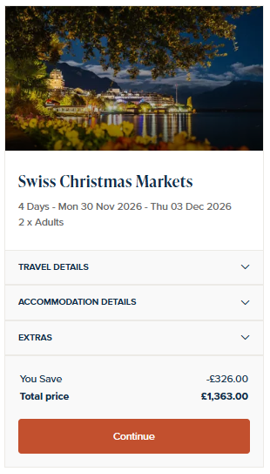
Variation:

21%
purchase rate
59%
revenue
The result highlights why it's important to consider user intent when deciding what content to show and where to show it.
A message can be useful in principle but have little impact if it doesn't address the user's needs. Equally, information that seems secondary during browsing can become much more important when someone is ready to commit.
For Newmarket Holidays, our continued testing has helped us identify important experiences across four stages of the journey.
Explore: At this stage, users are discovering their options and working out where to begin.
Opportunities include:
Shortlist: Once users have found destinations or tours that interest them, they need to understand the differences and narrow down their choices.
Opportunities include:
Decide: When users are considering a particular holiday, they need enough detail to make an informed decision.
Opportunities include:
Commit: At checkout, users need to feel confident that they're making the right decision and can complete their booking without unnecessary obstacles.
Opportunities include:
The Newmarket Holidays results demonstrate the value of looking beyond individual page elements and considering the wider customer journey. Rather than simply adding more content or reassurance across the whole website, we used experimentation to understand where a message could have the greatest impact.
By matching the experience to what users need at each stage, we can make the journey more helpful, reduce unnecessary friction and help more users complete their booking.


