
From conversion to experimentation to personalisation
Most of the people who land on your website leave without doing the thing you built it for - don't buy, don't sign up, don't get in touch. You paid to get them there and then they just walked out.
Conversion rate optimisation (CRO) is the discipline of seeing your site through their eyes: working out what they’re trying to do, finding where they get stuck, and clearing the way.
But conversion is only part of the story. The bigger idea behind CRO is experimentation: testing changes with real customers before you commit to them. Not every test should aim to lift conversion. Some of the most valuable ones make the experience easier, help people find what they need or even just understand your brand and its value a bit better. When budgets are under scrutiny, that habit of proving what works may be the most valuable thing a digital team has. And it's what makes the next step possible: websites that adapt to each visitor.
What CRO actually is
CRO is a structured way of improving a website so more visitors complete their goal. When that goal aligns with that of the business, like a purchase, booking or enquiry, it’s called a conversion. Your conversion rate is how often it happens:
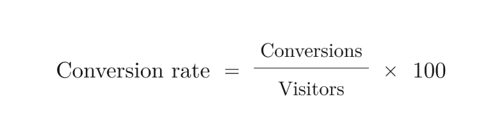
Good CRO tracks one primary conversion per test, backed by a few supporting metrics (revenue per user, average order value, bounce rate) so a "win" on one number isn't inadvertently costing you on another.
Why it matters
CRO makes every pound you spend on traffic work harder. Buying more visitors costs more every month; a better-converting site keeps paying back on all the traffic that follows.
Even a small lift in conversion raises the return on every channel at once, from paid search and social to SEO and email. And because the gains stack, a steady run of modest wins over a year has the potential to impact the economics of the whole business.
The less obvious payoff is learning. Every test tells you something about what your customers care about, and that knowledge feeds your marketing, product and messaging well beyond the website.
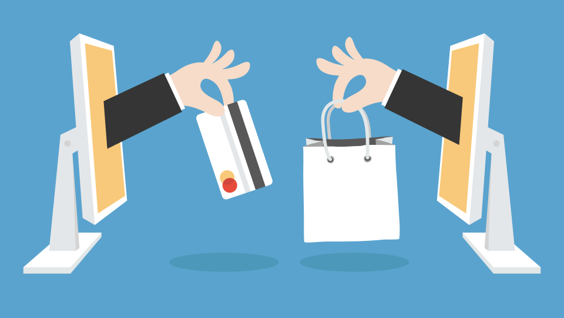
CRO is about people, not button colours
The best CRO starts with understanding people: what they're trying to do, what worries them, and what makes them hesitate. A website doesn't convert; a person decides to.
That's why we lean on behavioural science and psychology as much as on analytics:
- Motivation: does the page answer the reason they came, fast?
- Friction: how much effort, thinking or form-filling stands between them and the goal?
- Anxiety: what risk are they weighing up (price, delivery, commitment, trust) and is it addressed at the moment it arises?
- Clarity: can they tell in a few seconds what this is, who it's for and what to do next?
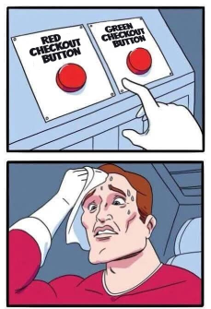
Changing a button from green to red rarely moves anything on its own. Changing what a hesitant visitor believes about your product often does. Numbers tell you where people drop off; talking to them, watching session recordings and reading their words tells you why.
This is also where AI falls short as a replacement for a CRO team. It can suggest UX best practice and repeat what has worked elsewhere, but it doesn't know your brand, your customers or what makes them hesitate.
Beyond conversion: experimentation as a whole
CRO asks "how do we get more people to convert?" Experimentation asks a bigger question: "how do we know this change is better for your users?" That covers every part of the customer experience, not just the final click.
A strong programme tests for outcomes like these, many of which never show up in the conversion rate straight away:
- Engagement: time on site, pages per visit, scroll depth, content read
- Findability: search use and exits, filter use, clicks to reach a product
- Ease: task completion, form errors, time to get through checkout
- Confidence and trust: use of reviews, FAQs and delivery info, fewer support contacts
- Value: average order value, items per order, revenue per user
- Loyalty: return visits, repeat purchase, account sign-ups, retention
- Lead quality: qualified leads, sales acceptance and deal value, not just form fills
These are the things that make customers want to spend time with a brand and come back. They feed conversion over weeks and months, even when a single test doesn't move it on the day.
Experimentation also does something CRO alone doesn't: it protects you. Redesigns, new features and "obvious" improvements can often make things worse. Testing them first means a bad idea reaches a fraction of your customers for a couple of weeks, not all of them for a year.
How experimentation works
Experimentation isn't a one-off redesign. It's a repeatable cycle of finding problems, testing fixes and learning from the results.
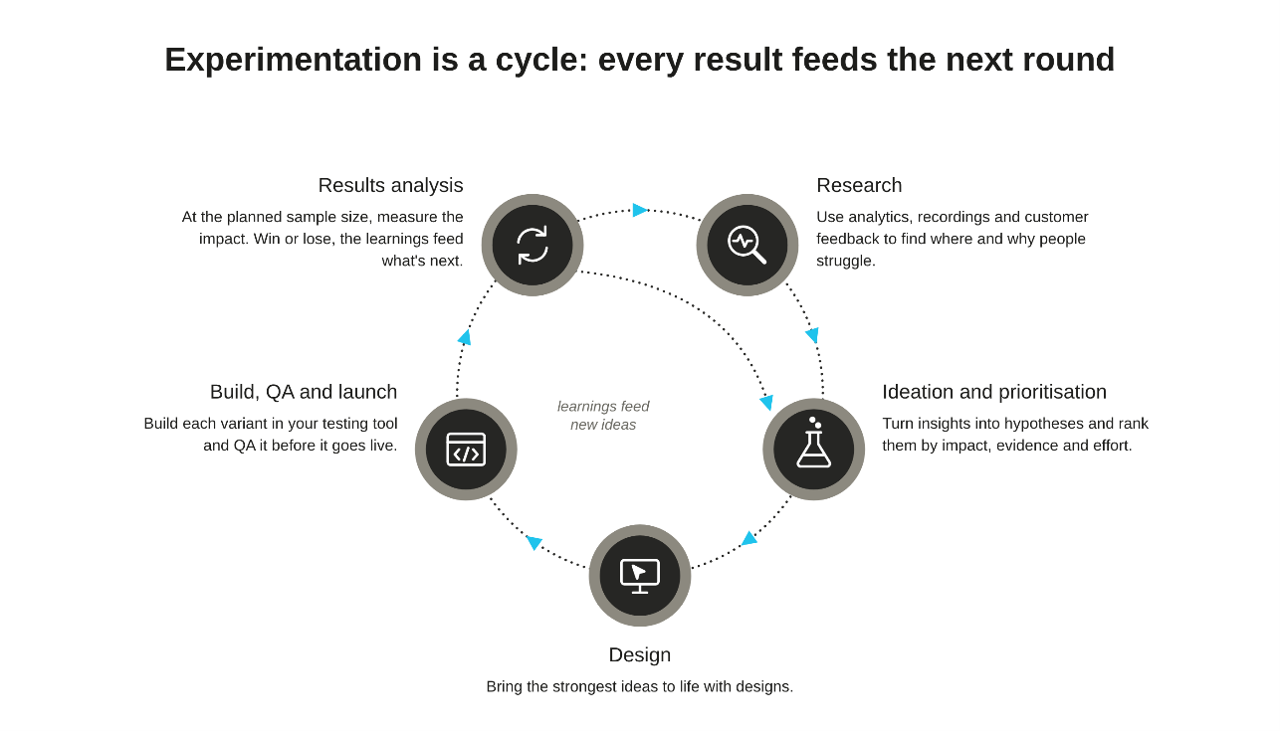
- Research: combine data (analytics, funnels, heatmaps) with people (session recordings, surveys, interviews) to find where visitors struggle and why.
- Ideation and prioritisation: turn insights into hypotheses ("Because we saw X, we believe changing Y will improve Z") and rank them by impact, evidence and effort.
- Design: bring the strongest ideas to life as designs for each test variant.
- Build, QA and launch: build the variant in your testing tool, check it works across devices and browsers, then put it live.
- Results analysis: once the planned sample size is reached, measure the impact. Win or lose, the learnings feed the next round of research and ideas.
This matters even more when budgets are tight. Every test puts a measured number against a change, so you can show what digital spend actually returned, stop bad ideas before they cost you, and fund the projects proven to work. Cutting experimentation to save money is like switching off the fuel gauge to save petrol: you still spend, you just stop knowing whether it's working.
The future of CRO
The vision for a website is that it adapts to whoever is using it. Instead of finding the one best version for everyone, you find the best version for each audience, and increasingly for each person.
It usually develops in three levels:
- Audience-based: different content for clear groups, such as new vs returning visitors, location, device or where the visitor came from. For example, an events brand showing each visitor the event nearest to them.
- Behaviour-based: the site responds to what someone does in the session: what they've browsed, searched for, added to basket or nearly bought.
- Predictive and dynamic: machine learning chooses products, content, offers and even page layouts in real time, based on what similar customers went on to do.
Executed well, this feels less like being sold to and more like being understood. It shortens the path to the right product, makes content more relevant and builds the kind of experience customers come back to.
Three things help ensure we get the most value:
- Test it. Every personalised experience should be measured against a control. Tailoring can feel clever and still perform worse.
- Start with real insight. The best audiences come from understanding people's needs and motivations, not just their device or postcode.
- Respect the data. Personalisation runs on customer data, so consent, privacy and transparency come first.
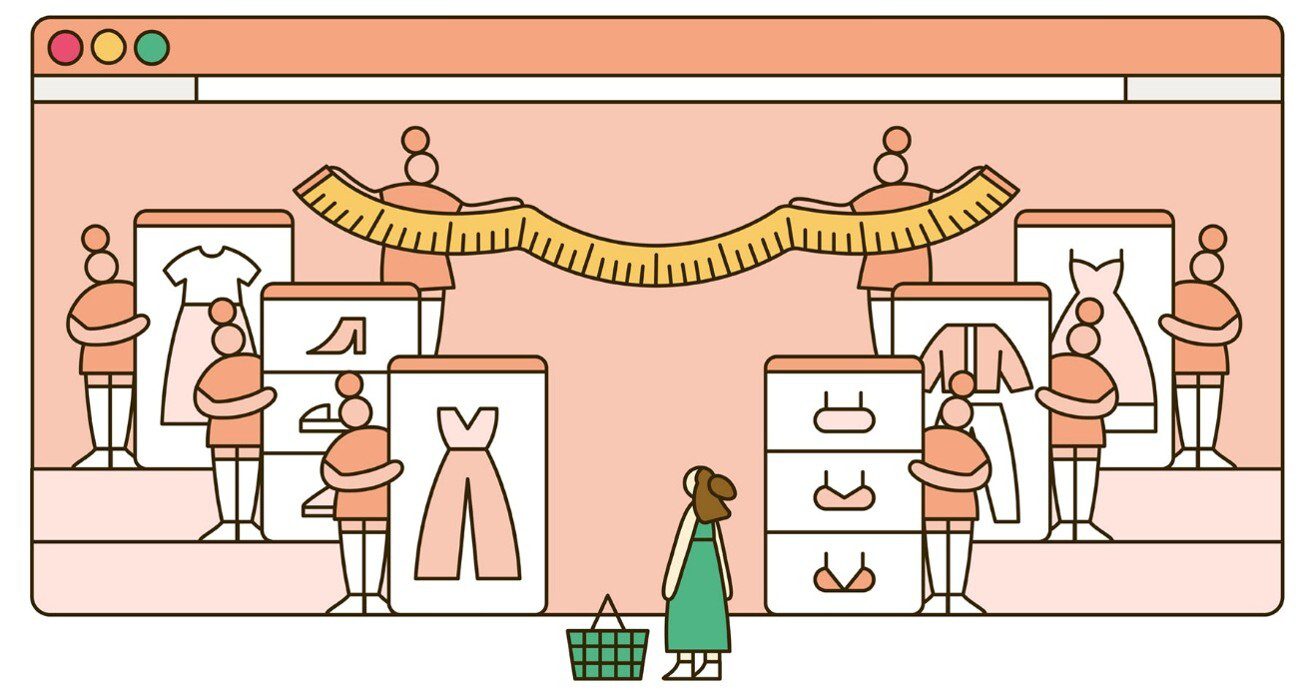
The end goal is N=1 or 1-to-1 personalisation: an audience of one, where every visitor gets the experience that fits them best. Instead of grouping people into segments, first-party data and machine learning decide in real time which products, content and offers each person sees, ranked by their own preferences and behaviour.
N=1 doesn't replace experimentation. It makes it more important. You can't A/B test a single person, so the thing you test is the personalisation itself, measured against a control, to prove it beats a one-size-fits-all experience. This is where CRO, experimentation and customer understanding meet, and it's where the biggest gains of the next few years are likely to come from.
https://www.shopify.com/uk/blog/personalized-shopping-experiences
Where to start
You don't need a big programme on day one. Check your tracking is right, find the step in your journey where most users struggle and spend time understanding why through recordings and customer feedback. Then test one well-reasoned idea properly and let the result shape what you test next.
You may also be interested in


Test Before You Build: How to Validate a Save for Later Feature
Read more about Test Before You Build: How to Validate a Save for Later Feature
What Is User Testing? Methods, Benefits and When to Use It
Read more about What Is User Testing? Methods, Benefits and When to Use It
The A/B test QA checklist: Everything to check before launch
Read more about The A/B test QA checklist: Everything to check before launch
Why CRO Needs a Human-Centred Approach in the Age of AI
As AI continues to shape how websites are built and optimised, Conversion Rate Optimisation (CRO) is becoming increasingly standardised. We advocate for putting the customer, and human, first.

The Pros and Cons of AI for CRO Development
It's hard to find a corner of the tech world that generative AI hasn't reached. "Should we use AI here?" has quietly become "where shouldn't we?", and AI code has quickly evolved from a joke into standard industry practice.